
People often ask: What are the causes of obesity, diabetes, and high blood pressure? In this article, Dr. Liu will discuss with you a less heard reason, which may be related to the light you sleep in.
The latest research from Northwestern University Medicine in the United States found that any light exposure at night is related to obesity, hypertension and diabetes in the elderly.
The study compared elderly people aged 63 to 84 with adults who were not exposed to any light. It was found that people who were exposed to light while sleeping at night were significantly more likely to suffer from obesity, high blood pressure and diabetes. The researchers were surprised that less than half of the subjects were exposed to "complete darkness" for five hours a day. The remaining participants were exposed to some light even when they were sleeping at night, including sleeping with the TV on all night, blue light from mobile phones, night lights, urban light pollution, etc.
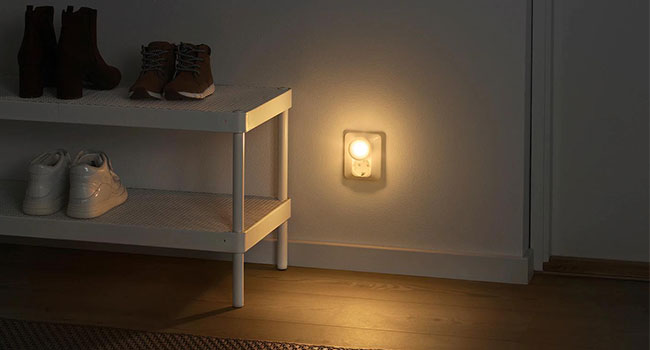
Since we live in a large amount of artificial light sources 24 hours a day, it is very important to avoid or reduce light as much as possible when sleeping! However, due to safety considerations, some elderly people need to leave a small light on while sleeping to facilitate going to the toilet in the middle of the night, or there are other reasons to turn on the light. For example, maintaining nighttime lighting can reduce the risk of falling due to numbness in the feet of diabetic patients. In this regard, Dr. Phyllis Zee, director of sleep medicine at Northwestern University, has good suggestions👇
💡Don’t turn on the lights! If you need to turn on the lights (which older adults may do for safety reasons), set the lighting to a dim light closer to the floor.
💡Color is important! Choose amber or red-orange light that is less stimulating to the brain. Do not use white or blue light.
💡Use eye masks wisely! If you can't control outdoor light, a sunshade or eye mask is a good option, or move your bed so outdoor light doesn't shine on your face.
