
Our brain's resistance to stress is particularly weak. When faced with stress, we will immediately want to pursue the happiness in front of us, and usually use the simplest "eating" to escape the stress. The readily available snacks and desserts can quickly satisfy the brain, release people from stress, and obtain healing, but this is only a temporary illusion!
For example, potato chips for mouth rinsing. These snacks are sprinkled with umami seasonings. You don’t need to chew them many times. A strong sense of happiness rushes straight into the brain when you eat them. Not only does the brain develop a sense of dependence, this chemical seasoning is also very bad for the body. In particular, desserts such as potato chips, cakes, and chocolates will cause blood sugar to rise instantly, and a large amount of insulin will be secreted to cause blood sugar to drop rapidly. Low blood sugar will make people irritable and fatigued. In this way, the brain will want to eat more sugary foods, falling into a vicious cycle.
If you want to relieve stress, you must first get rid of out-of-control appetite. When you want to eat, you can check whether you are eating emotionally? Habit? Still really hungry! Once the brain loses control and continues to eat, it is conceivable that the result will be getting fatter and fatter. Therefore, do not place snacks at home or at your desk, try to eat light foods, and avoid eating too many additives. When you realize that stress is coming, don’t rush to eat. You can try abdominal breathing or exercise to divert your attention. Of course, you can also seek help from a professional doctor!
Few people know that our brain is actually an organ that "as long as it is good", regardless of how heavy the burden other organs have to carry, especially our gastrointestinal tract. Even though it clearly knows that it is not a good food that can bring nutrition, as long as it can bring happiness to the brain, it will still issue commands such as "I really want to eat it" and "Eat it first, then talk about it".
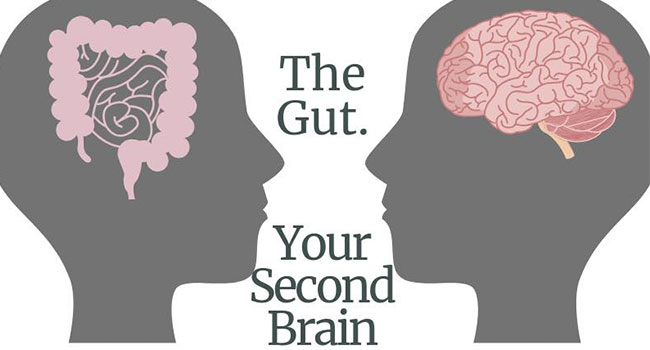
We often say "the intestine is the second brain", that's right! Our intestines do think. It can judge whether the food we eat is safe. When you accidentally eat harmful substances, it may resist in violent ways, such as diarrhea or vomiting. When the brain cannot resist the temptation to eat desserts, fried foods or heavily flavored foods, the gastrointestinal tract cannot refuse and has to accept them all. At this time, the gastrointestinal tract may seek help from you with symptoms such as "gastroesophageal reflux", "heartburn", and "colic". Our gastrointestinal tracts not only think, they’re also honest! When you want to eat, you might as well think about how your gastrointestinal tract likes it? By eating foods that your intestines like, people will be less likely to gain weight and age less easily!
