
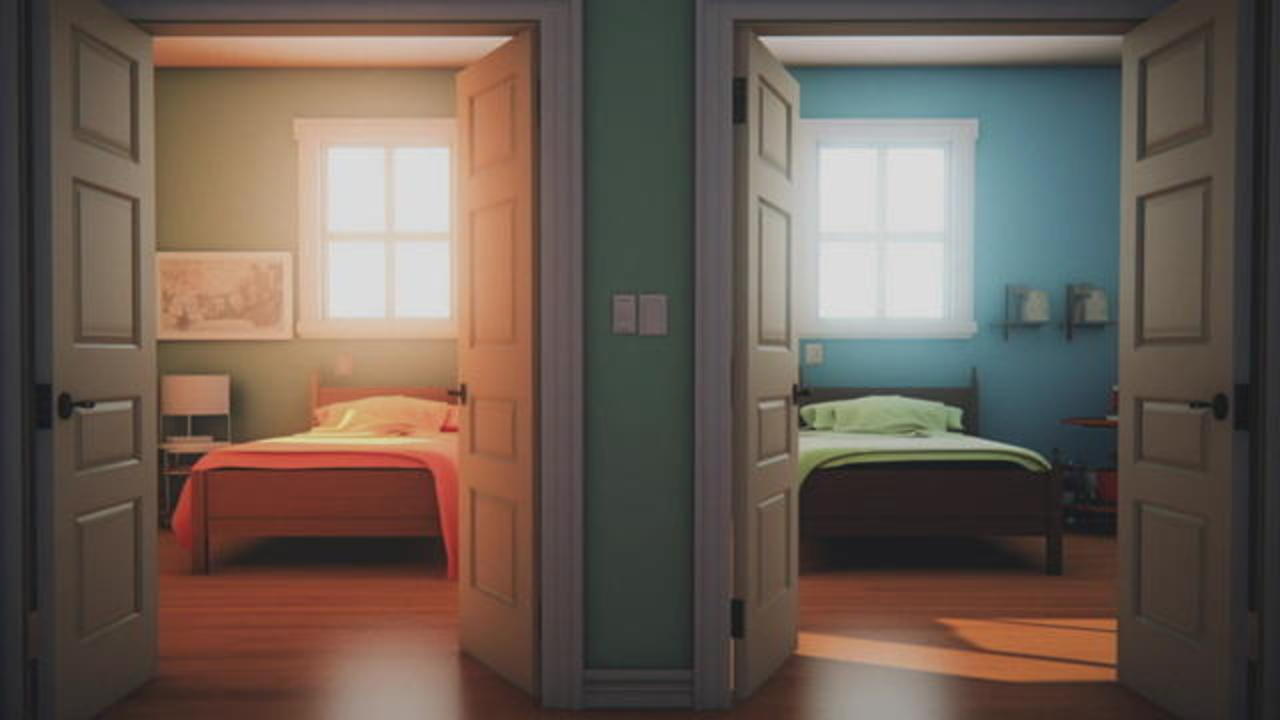
In recent years, the concept of “sleep divorce” has been gaining popularity overseas. It does not refer to an actual divorce, but rather to couples choosing to sleep separately so they no longer have to deal with issues such as a partner stealing the covers, tossing and turning, snoring, or keeping different sleeping schedules.
Sleep is an essential part of our well-being. When we do not sleep well at night, we may become more irritable and short-tempered, which can lead to arguments with our partner. Over time, chronic sleep problems can affect not only our physical and mental well-being, but also our relationships with the people around us.
Poor sleep can leave us feeling physically and emotionally out of balance, which may put a strain on a relationship. When the issue is primarily caused by physical or lifestyle factors, sleeping in separate rooms can be one way to improve sleep quality. Better sleep can lead to a better mood, and when both partners feel better, the relationship may naturally improve as well. It can also provide each person with a little more personal space.
However, before deciding to sleep separately, it is important to make sure your partner understands that sleeping apart does not mean wanting to be apart. The goal is to help both partners feel better and enjoy a healthier relationship. Otherwise, you may end up starting a family revolution before even solving the sleep problem.
The key is to communicate sincerely and clearly: you simply want to get a good night’s sleep. Once you have reached a mutual understanding, continue to maintain intimacy in your everyday life. You can also make a point of spending meaningful time together before going to bed or after waking up, so that sleeping separately does not mean becoming emotionally distant.
If there is one sentence that captures the essence of “sleep divorce,” it would be:
“Darling, we don’t just want to grow old together. We also want to make each other’s lives better along the way.”
