
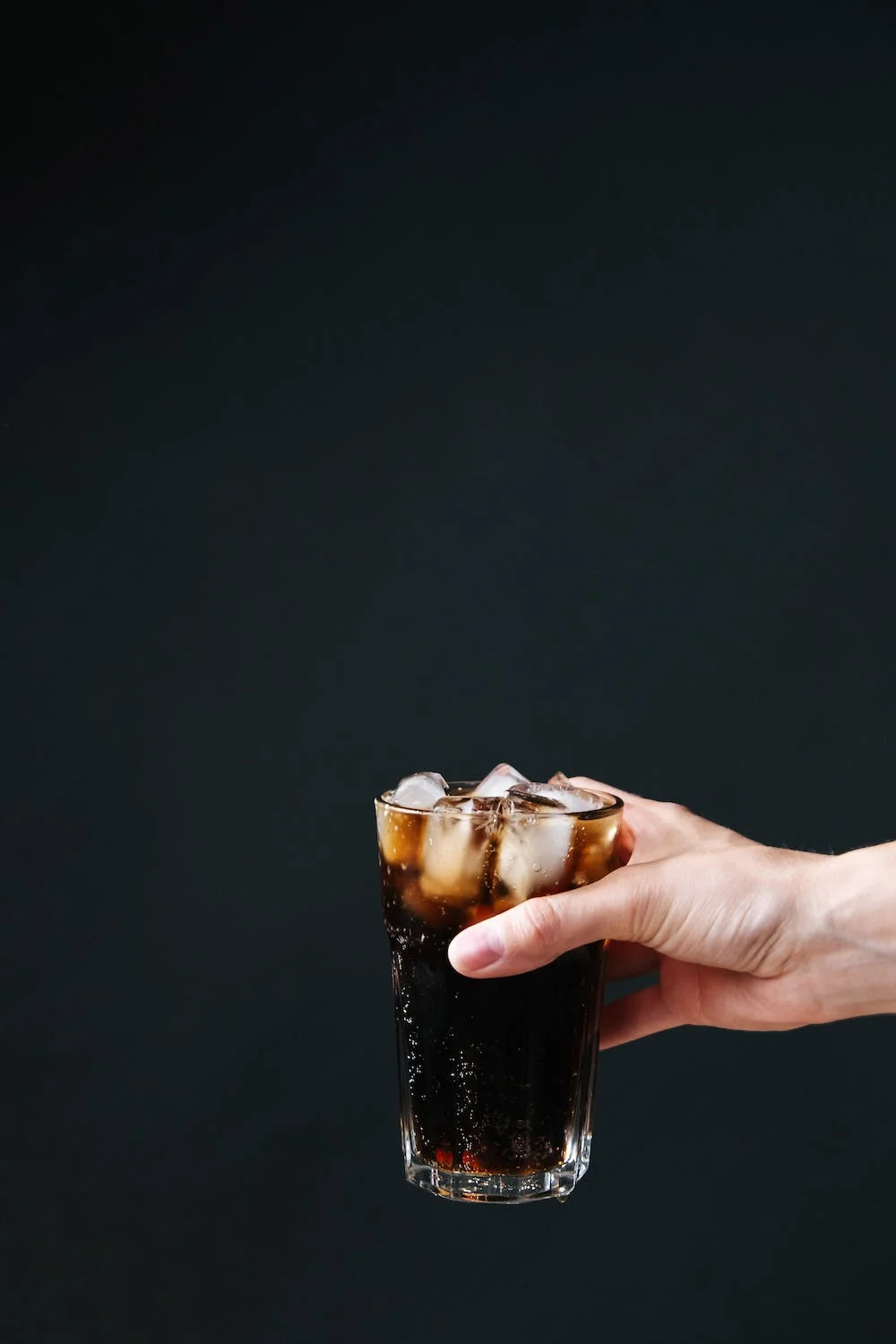
I think everyone should have heard of "aspartame"! It is a low-calorie, high-sweetness sugar substitute that is commonly used as an artificial sweetener in drinks and food. Regular intake may increase the risk of anxiety disorders!
How was it "made"?
At that time, chemists were testing new anti-ulcer drugs. When "aspartic acid" and "phenylalanine" were added together, they accidentally discovered that the drug had a sweet taste. They then tested and found that the sweetness of this ingredient was 200 times that of sucrose with the same calories. Therefore, this ingredient was named "aspartame" and was also the key ingredient for Coca-Cola and Pepsi-Cola to successfully launch low-calorie cola that year. The sweetness of aspartame disappears when it is heated, so it is mostly used in cold foods, such as cold drinks, candies, jelly, chewing gum, pudding, dairy products, and even medicines and health foods. Aspartame can be found in this ingredient.
Since aspartame has no calories and is 200 times sweeter than ordinary sucrose, as long as a small amount is added, the food can achieve the desired sweetness, so it is often used as a substitute for sucrose and added to food. This is good news for people who like sweets but are afraid of getting fat. However, a new experiment recently found that when mice were given water with aspartame added, and the dose was only 15% of the maximum daily intake recommended by the U.S. Food and Drug Administration (FDA), the mice clearly showed anxious behavior in various maze tests.
This is because aspartame will turn into aspartic acid, phenylalanine and methanol after entering the human body - these will have a powerful impact on our central nervous system, and will also affect the amygdala's ability to regulate anxiety and fear, and the influence may spread to the next generation or even the next generation! More and more studies have found that artificial sweeteners may also increase the risk of heart disease, stroke and cancer. In other words, aspartame may have far more negative effects on our mental and physical health than we currently know.
