
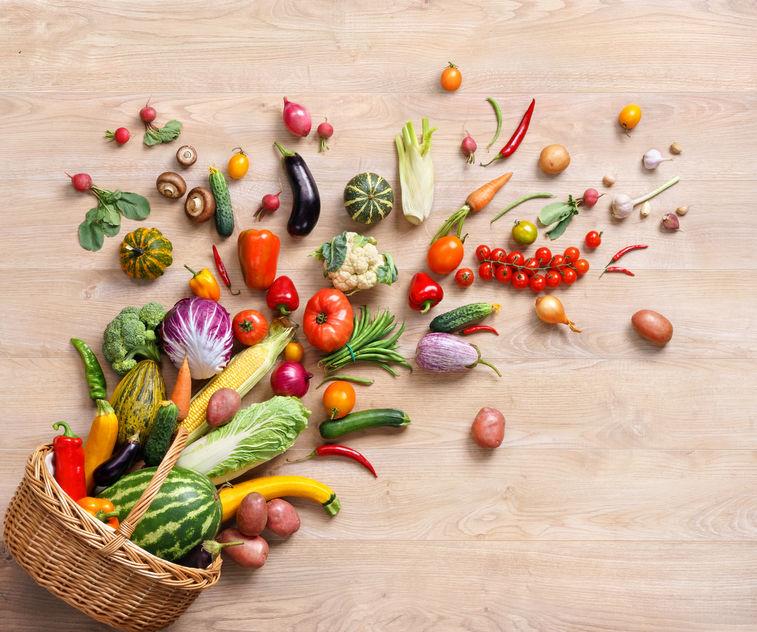
Have you ever heard of phytochemicals? Every plant we eat contains hundreds of phytochemicals.
Unlike vitamins and minerals, the term phytochemicals has gradually gained a place in the nutritional world in recent years. Simply put, phytochemicals come from chemicals in plants, that is, plant nutrients. If you consume a variety of fruits and vegetables in your diet, you can eat a variety of natural phytochemicals. They can not only resist oxidation and maintain youthful vitality, but also improve immunity, reduce the body’s inflammatory response and cardiovascular disease, and even have anti-cancer effects. Studies have found that people who consume more fruits and vegetables have a lower risk of cancer than those who consume less!
How to ensure that you get enough phytochemicals? I think most people don't eat enough.
There is a simple principle, as long as you "extensively" consume "multi-colored" plants! Start by eating at least two servings of vegetables and two servings of fruits every day, and then slowly increase it. Eat one more serving of fruits and vegetables, and then subtract one undesirable food (such as refined starch and sugar). In addition to fruits and vegetables, nuts, beans and natural flavors are also good choices!
Rainbow Diet Improves Immunity
Various plants are rich in different phytochemicals, and of course they have their own effects. However, no vegetable or fruit can contain all the phytochemicals, so we need to have a balanced intake of various phytochemicals. The easiest way is to distinguish them by color. The rainbow diet that is currently being promoted is a diet that makes the body healthier and stronger by eating phytochemicals from various fruits and vegetables.
Effects of various vegetable and fruit phytochemicals
Red → Phytochemicals: lycopene, quercetin, anthocyanins
Representative plants: red cabbage, red pepper, beetroot, tomato, carrot, red cherry, cranberry, watermelon
Efficacy: Reduce the risk of cancer, strengthen cardiovascular system, and avoid urinary tract infections
Green → Phytochemicals: carotenoids, glutathione
Representative plants: green vegetables, kiwi, guava, green tea
Efficacy: Reduce the risk of cancer, maintain healthy vision, strengthen bones and teeth
Purple → Phytochemicals: flavonoids, anthocyanins
Representative plants: blueberries, blackberries, black fungus, purple cabbage, sesame, eggplant, grapes
Efficacy: reduce the risk of cancer, strengthen the urinary system, anti-aging
White → Phytochemicals: allicin, flavonoids
Representative plants: asparagus, celery, garlic, mushrooms, onions, pears
Efficacy: Strengthen cardiovascular system, lower cholesterol, reduce cancer risk
Orange → Phytochemicals: carotene, cryptoxanthin, canthaxanthin
Representing plants: carrots, pumpkins, corn, sweet potatoes, papayas, citrus, pineapples, grapefruit
Efficacy: Reduce the risk of cancer, strengthen cardiovascular systems, maintain healthy vision, and improve immune function
In addition, phytochemicals are also contained in other foods, such as the well-known catechins in tea, curcumin in mustard and turmeric, phenolic acids in spices, isoflavones in soybeans, etc.
