
Many people have the wrong myth that the human body gets better during exercise. In fact, recovery through adequate nutrition and sleep after training is the opportunity to become better. For an athlete, the key to long-term success is to "continue to train, eat right, and sleep well." In particular, during the training process, there is a key point, and that is "recovery"!
Michael Phelps, the American gold medal swimmer known as the Flying Fish, said that he realized the importance of sleep at a very young age. In order to stick to the training plan, I spend 3-5 hours training in the swimming pool during the day, sleep for 8 hours at night, and rest for 2 to 3 hours every afternoon. Because during sleep, the human body can grow naturally and is conducive to physical recovery.
Usain Bolt, the fastest runner in the world from Jamaica, knows that diet control and intensive training are important, but the most important thing for him is sleep, because this is a precious time for the body to repair itself after a tiring day. Although training can help you break through yourself, if you don't take a good rest during the rest time, it will damage our body. So we don't necessarily have to run the fastest, but we can sleep fuller to make ourselves run better.
LeBron James, the little basketball emperor, is known to love sleeping. He often takes a nap when he finds an opportunity during the game. When he was 22-23 years old, he began to adopt and implement the coach's recommendation to sleep at least 8 hours a night. James said that 8 hours was just the minimum. Sometimes he would sleep for 10 hours or even 12 hours. Adequate sleep is not only beneficial to physical recovery, but also makes the mind clearer. He compared his body to a mobile phone. If he uses it all day and does not charge it before going to bed at night, the phone will be almost dead when he wakes up the next day.
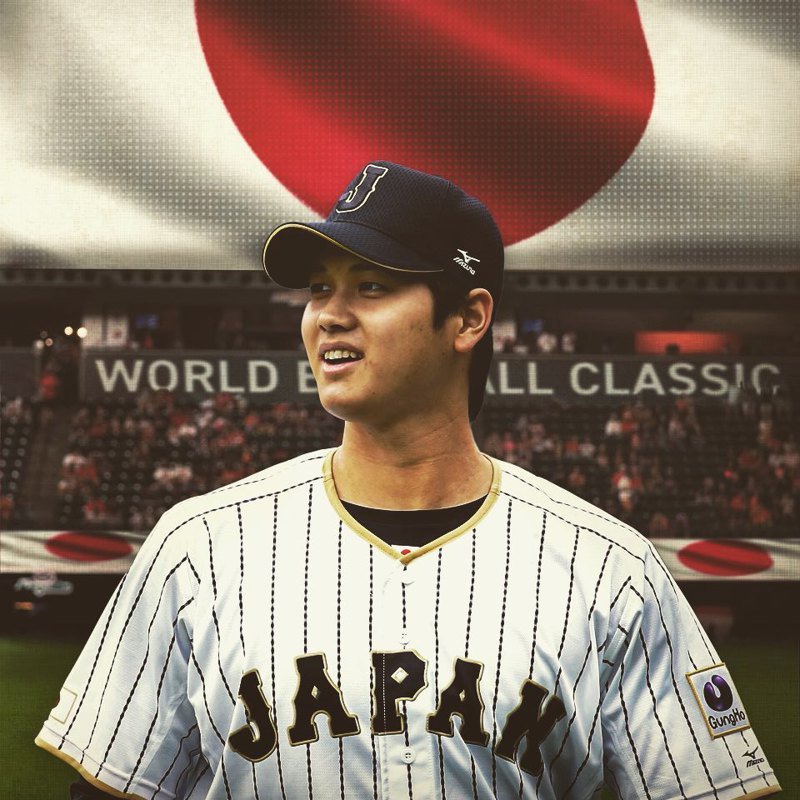
The genius Nito-ryu Otani Shohei has attached great importance to sleep since high school. He sleeps for at least 8 or 9 hours a day, and he sleeps after eating, sleeping when he is in the car and moving, and sleeping whenever there is a gap. He sleeps almost all the time when he is not playing. He once mentioned in an interview that the secret to staying in good shape is to get enough sleep, and "nap" is a particularly important recovery time for him. Because he needs to move long distances for competitions, he will carry a tailor-made pillow, eye mask and sleep tracker with him to track his sleep status.
Sufficient sleep can improve the performance of athletes, because growth hormone is released during deep sleep, which can assist muscle growth and repair physical damage, allowing athletes to have better physical fitness to face competitions. On the contrary, lack of sleep will have a negative impact on movement, and explosive power, reaction time and coordination will be reduced, directly affecting the performance of motor skills. Simply put, "sleep, diet and training" are three important keys to athlete performance. All three are indispensable. Don't sacrifice your precious sleep time just to do something!
