
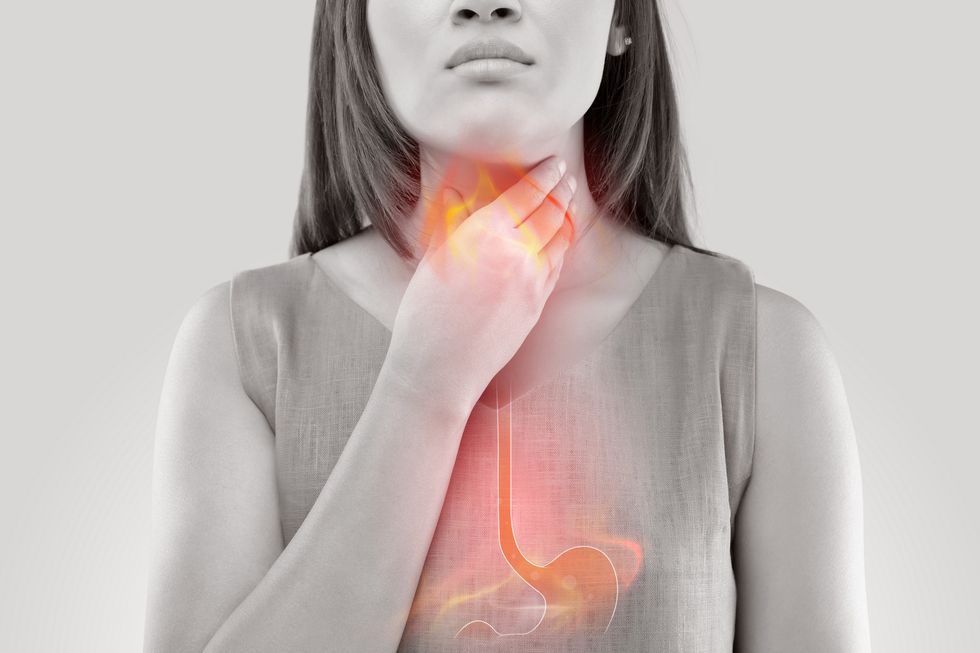
Due to changes in modern people’s eating habits and high work pressure, the number of people suffering from gastroesophageal reflux has increased significantly, and there is a trend of getting younger. Don’t doubt that anyone can suffer from gastroesophageal reflux, including infants and pregnant women, especially “fat” people are more likely to suffer from it!
Research has found that body weight, body mass index (BMI), waist circumference, and gastroesophageal reflux and complications (such as esophagitis, esophageal cancer) are all positively correlated. That is to say, people who are overweight and have a larger lower abdomen are more likely to develop gastroesophageal reflux and even worsen their symptoms. If you leave it alone and delay medical treatment, it may cause cancer in the long run, so the first priority is to "lose weight"!
A previous six-month study in the United States found that after weight loss, more than 70% of the subjects' gastroesophageal reflux discomfort symptoms almost disappeared, and the more people lost weight, the more their symptoms improved. The most obvious feeling is that their stomachs become more comfortable!
Try to imagine that there is a ball of meat pressing heavily on our stomach. The increased pressure makes the cardia easily relax and open. After losing weight, the pressure will naturally be reduced a lot. Therefore, if you want to improve gastroesophageal reflux and relieve gastric discomfort, losing weight is definitely helpful!
Do you also have gastroesophageal reflux?
Has drinking coffee and eating sweets caused your gastroesophageal reflux again? You must be familiar with this advertisement! In one sentence, it is said that modern people generally have symptoms of gastroesophageal reflux, and obese people are more likely to have this condition.
Gastroesophageal reflux refers to acid reflux. Typical symptoms include acid vomiting, heartburn, heartburn, and chest tightness and chest pain. But you know what? The clinical symptoms of gastroesophageal reflux are very changeable like a girl with a thousand faces. Maybe you may also fall into it without knowing it. Come and check to see if you also have the following problems:
Long-term cough.
Sore throat or foreign body sensation
Hoarse voice
Bad breath
Difficulty swallowing
Frequent burping
Teeth and gums are often inflamed
Chronic sinusitis
If you only have occasional acid vomiting or stomach discomfort, it does not mean that you have gastroesophageal reflux. However, if it occurs two to three times a week or is accompanied by the above atypical symptoms, it is highly recommended to seek medical treatment as soon as possible and improve your original living habits!
Loss of weight is the best treatment
In Taiwan, on average, one in four people suffers from gastroesophageal reflux. If you are overweight, the top priority to alleviate gastroesophageal reflux is to lose weight! Because obesity increases abdominal pressure, making acid reflux more likely.
If you want to improve gastroesophageal reflux, in addition to cooperating with the doctor's treatment, you should start with daily life, because NG eating habits will unknowingly promote the occurrence of gastroesophageal reflux. If you always eat hurriedly and quickly, have irregular meals and often eat late-night snacks, and prefer fried foods, barbecue sweets, and a hand-held drink, Coke, or beer, then please take a good look at your current lifestyle and adopt the following suggestions. Only by doing so can you avoid recurring gastroesophageal reflux attacks. If you don’t have this problem (congratulations), you can certainly adopt this lifestyle policy to prevent acid reflux!
Eat three meals at regular intervals, eat seven to eight times full, chew slowly and avoid overeating.
Try to avoid foods that are overly salty, sweet, spicy, fried, and sour, and avoid coffee, strong tea, alcohol, and carbonated drinks.
Try to separate rice and water when eating. If you eat soup noodles, just take a few sips of the soup and taste it. Don’t finish the soup.
Don’t eat late-night snacks, finish your dinner 3-4 hours before going to bed, and don’t lie down to rest immediately after eating.
When sleeping, raise your pillow slightly so that your head and shoulders are higher than your stomach to prevent stomach acid from flowing into your esophagus.
Avoid wearing clothes that are too tight or wearing belts that are too tight. Especially for women who love beauty, shapewear can cause a sense of pressure on the stomach.
Smoking will make acid reflux more frequent, so quit smoking!
Adjust other stresses in life. No matter how busy you are, tell yourself to try to relax when eating. Eating with anxiety will cause indigestion!
