
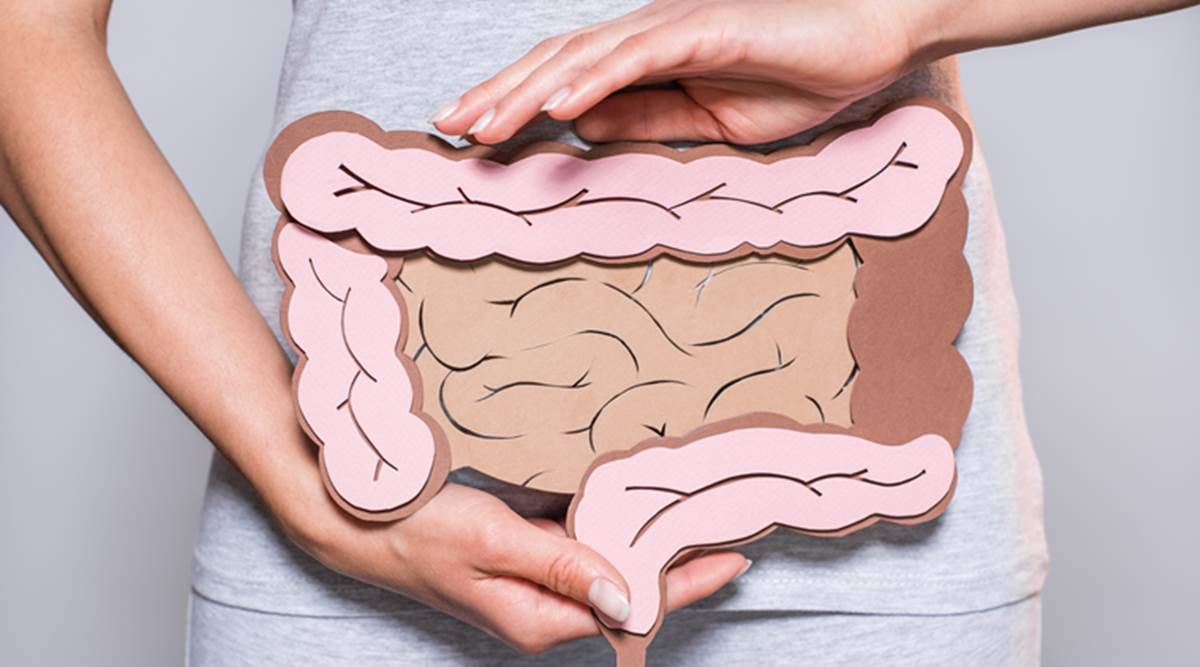
The major flora in our intestines are not only divided into good and bad, but also fat and thin! For example, Firmicutes love to eat, and they like to share the extra absorbed calories with other intestinal partners. They are a type of "fat bacteria". In addition, the lactobacilli that we often use to prevent allergies are actually members of the fat bacteria family. In the past era of material poverty, obese bacteria helped us absorb more calories from the diet, form fat, and resist hunger. However, modern people are generally over-nourished, and fat bacteria have become the target of our fight. On the contrary, letting "thin bacteria" dominate the intestines is the health and slimness we want to pursue! Bacteroidetes, such as lean bacteria, are too lazy to produce heat and inhibit fat formation, making people feel fuller easily. Bifidobacterium, which has been accompanying and protecting us since birth, is also a member of the lean bacteria. A large number of Bifidobacterium can be found in thin people, but it is almost impossible to find it in obese people. Bacteria will change the body's absorption of calories. How the food you eat is absorbed and utilized depends on which one is dominant in the intestine. For the sake of health and body shape, it would be best to let the lean bacteria Bacteroides dominate, and the amount of these lean bacteria should be more than twice that of the fat bacteria, or the more the better!
I believe many people have heard that quitting smoking will make you gain weight. Smoking has the effect of suppressing appetite. Once you start quitting smoking, your appetite will improve! And in order to get rid of the addiction to smoking, I will keep eating chocolate, biscuits, desserts and other foods to compensate my body. An interesting phenomenon is that about 80% of quitters eat the same amount or even less than usual, but their weight still increases by 4-5 kilograms. Why is this? The reason is right in the gut! When you stop ingesting nicotine, it may cause changes in the intestines. The number of "fat bacteria" in the large intestine will triple, and the "lean bacteria" will be crowded out. In other words, the more fat bacteria there are, the easier it is to recycle heat in the large intestine, and the weight will gradually increase. If you want to quit smoking, you must take good care of the intestinal bacteria in your body at the same time, so that you can get rid of cigarettes and weight at the same time!
Antibiotics not only kill bacteria, but also make you fat
The discovery of antibiotics can be said to be a major breakthrough in modern medical treatment. Thanks to antibiotics, diseases that were originally considered incurable are no longer incurable. However, the most criticized thing about antibiotics is their "resistance". For intestinal flora, the use of antibiotics is undoubtedly a massacre. Good bacteria are wiped out in large numbers, but some strains of bacteria develop resistance, so the resistance becomes stronger. In the long run, antibiotics will not be able to work in emergencies in the future. Another reason why people are afraid of antibiotics is that long-term use of antibiotics will cause weight gain. This is because antibiotics kill most of the intestinal bacteria, good or bad, but they cannot kill lactobacilli, which are "fat bacteria". A study conducted abroad found that people who received antibiotic treatment gained more weight than those who did not take antibiotics, and their BMI also increased by more than 10%. Therefore, antibiotics should not be abused and should be taken only under the advice of a doctor, and the entire course of treatment must be taken. After the course of treatment, additional probiotics and foods that can promote the growth of probiotics should be added.
The more diverse the intestinal flora in our body, the better, in order to maintain health and figure; on the contrary, if the intestinal flora is imbalanced, it will not only affect our digestion and make us fat, but may even cause problems with the immune system. In other words, if the bacteria in the intestines are not right, you will be more likely to gain weight! The ability of our intestines to produce strong flora depends on many factors, such as genetics, living environment, work stress, age and taking antibiotics. In particular, the influence of diet is the most important. For example, if you regularly consume high-carbohydrate, high-fat, and low-fiber foods, the intestinal flora will change from the original diversity to a single one, and the body will slowly become inflamed, and other complications may come to your door one by one. We often say that diseases are caused by food. Fortunately, we can also rely on "eating" to influence the function of good bacteria in the intestines. It's simple, just change your unhealthy diet and eat more foods that increase good bacteria! Keep as much bacterial diversity as young people as much as possible. Even if you get older, your intestines will still remain "young", which is not only good for your health, but also maintains a slim figure!
