
How Is Sleep Assessed?
Modern people have busy lives and a lot of pressure. It is not easy to get a good night's sleep! The purpose of sleeping is to let the body rest, but sometimes the more we sleep, the more tired we become.
Patients with sleep apnea often wake up repeatedly during sleep due to airway obstruction and lack of oxygen. Hypoxia can also cause vasoconstriction in the brain, reducing the amount of oxygen the body receives, which in turn puts a greater burden on the body, leading to a decrease in immunity and metabolic capabilities, and increasing the burden on the circulatory system.
In addition, long-term lack of sleep can cause slow reactions, decline in memory and judgment, which not only affects work performance, but may also lead to related chronic diseases such as diabetes, hypertension, stroke, cardiovascular disease, and even sudden death. So do not underestimate sleep!
In the previous article, we told you about the symptoms of sleep apnea. If you have the above symptoms, it is recommended to get tested as soon as possible to see if you have sleep apnea!
Today, I will briefly explain to you how to detect sleep status
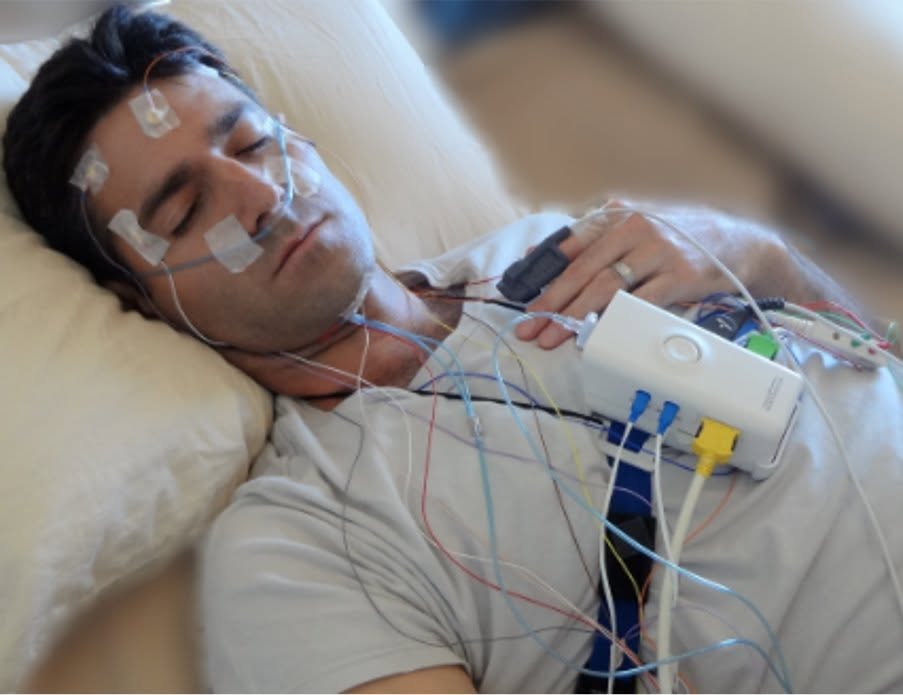
In addition to detailed medical history, the diagnosis of sleep apnea also requires a series of "sleep multiple physiological examinations (Polysomnography)"
Patients need to go to the hospital's sleep examination center to sleep for one night. Medical staff will install many physiological recording devices on the subjects to record brain waves, eye movements, mandibular electromyography, snoring, electrocardiogram, oronasal respiratory airflow, chest and abdominal rise and fall, blood oxygen concentration during sleep, sleeping posture and other monitoring. The "Apnoea-Shallow Respiratory Index (AHI)" is calculated based on certain standards to evaluate the severity of sleep apnea. It will take about a week for the report to be released.
