
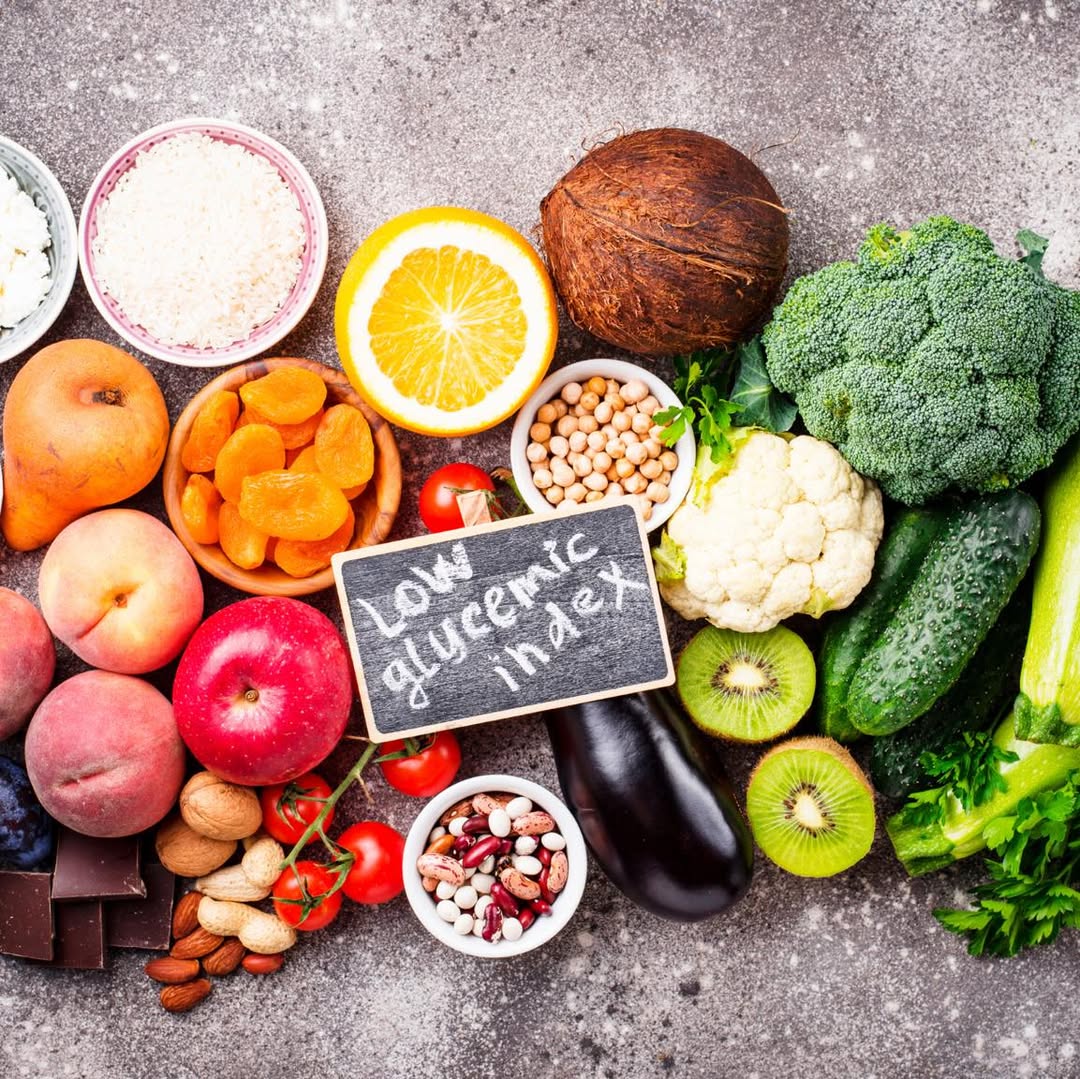
A Low-GI Diet: Less Weight Gain and Post-Meal Drowsiness
Last time I mentioned to you that eating the wrong breakfast can make your blood sugar go up like a roller coaster, and can actually cause hypoglycemia and many other negative effects. Many office workers are in a hurry and have no time to eat breakfast. They want to drink nutritional supplements to get energy. Nutritional supplements will indeed increase the blood sugar level in one breath. After drinking, the brain will instantly wake up and feel full of energy. However, after the blood sugar level rises sharply, the body will secrete a large amount of insulin in order to lower the blood sugar level. The blood sugar level drops sharply, making you feel more tired than before taking nutritional supplements.
Otherwise, I ate too much for lunch and felt sleepy as soon as I returned to my office seat. This is because blood sugar levels rise sharply after meals and blood cannot fully reach the brain. An effective way to prevent blood sugar levels from rising after meals is to choose low GI foods. Glycemic index (GI) refers to the numerical indicator of how quickly blood sugar rises due to food eaten. Foods with higher GI are usually digested faster and are more likely to cause blood sugar to rise rapidly, stimulating a large amount of "insulin" secretion, leading to the formation of body fat, and finally causing blood sugar to drop rapidly, causing hunger, and falling into a vicious cycle of eating more and becoming hungrier; on the contrary, foods with a lower GI Because the food absorbs sugar more slowly and blood sugar fluctuates less, it is less likely to accumulate fat due to less insulin secretion. Moreover, the feeling of satiety is prolonged, which can also prevent you from craving for too much food. Especially for the first meal of the day, you should choose a low-GI diet that can prevent a sudden rise in blood sugar levels!
Finally, I would like to add three principles for distinguishing low GI values~
The higher the dietary fiber content, the lower the GI value. For example, whole wheat bread is lower than white toast, and brown rice is lower than white rice.
The more refined and processed the food, the higher the GI value; conversely, the more complete the food, the lower the GI value. For example, fruit juice has a higher GI value than fruit.
The lighter and simpler the cooking method, the lower the GI value. For example, cooking methods such as steaming, roasting, and boiling will have a lower GI value than frying or pan-frying. The less soft the cooking method is, the lower the GI value. For example, the GI value of white rice will be lower than that of white porridge and thickened foods.
