
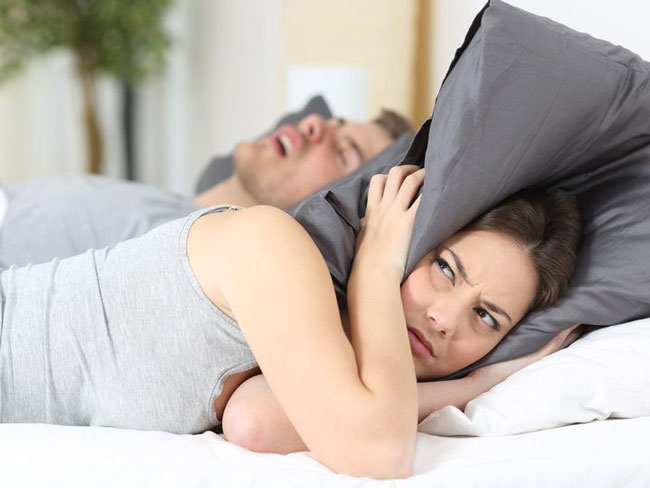
[Snoring is not a habit, but a symptom]
Snoring is not a habit, but a symptom. Do you snore while sleeping? Maybe you have it but you don’t know it, or maybe you know you have it but don’t care. Many people discover that they snore after being told by the person next to them, or they are startled awake by their own snoring in the middle of sleep.
[The reason for snoring, why do you snore?]
Why do you snore?
When people fall asleep, because their muscles relax, the tongue falls back, and the muscle tissue of the throat is completely relaxed. Between inhalation and exhalation, the air passes through the relaxed muscles on both sides to vibrate and make a sound. This is the snoring sound we hear. In particular, alcohol has the effect of relaxing muscles, and drinking alcohol will aggravate snoring.
[Are obese people more likely to snore?]
Are obese people more likely to snore?
Obese people may have thicker neck fat, and the base of their tongue and upper throat are both fat. When lying down, due to gravity, the base of the tongue will press against the throat, causing the trachea to collapse, resulting in loud snoring. If the air inhaled into the lungs is insufficient, the body will begin to lack oxygen. After the lack of oxygen, the brain cannot bear it and will wake up briefly to breathe hard, interrupting the deep sleep.
[Snoring is not just for fat people, thin people can do it too]
Many thin people also snore! Why is this?
Due to their innate physiological structure, Asians have relatively narrow respiratory tracts and are more likely to snore than foreigners. There are other physiological structures that can also cause people to snore. For example, people who are born with underdeveloped mandibles, retracted chins, large tonsils or suspensories, and curved nasal septum are prone to snoring due to the narrowing of the airway.
[The effects of drinking alcohol and taking sleeping pills on snoring]
In addition, people who often drink alcohol or take sleeping pills to help them sleep will relax their muscles more when they fall asleep, making them more likely to snore. It is worth noting that in menopausal women, because the secretion of estrogen stops, the smooth muscles of the respiratory tract become loose without the protection of progesterone, and snoring may gradually appear.
[One of the symptoms of sleep apnea is snoring]
Snoring is one of the main symptoms of sleep apnea. In more serious cases, it may be accompanied by panting, rapid heartbeat, or respiratory arrest. Many people think that snoring is a very common phenomenon, and the older generation even thinks that snoring is a sign of sleeping soundly and sweetly. But the fact is just the opposite. Snoring does not mean sleeping well, nor is it a habit, nor should you get used to it. If you can snore, don't hold on to the indifferent attitude. You should actively face treatment and let your indifference turn into no longer snoring!
